Spearmint
(Mentha spicata L.)
Background
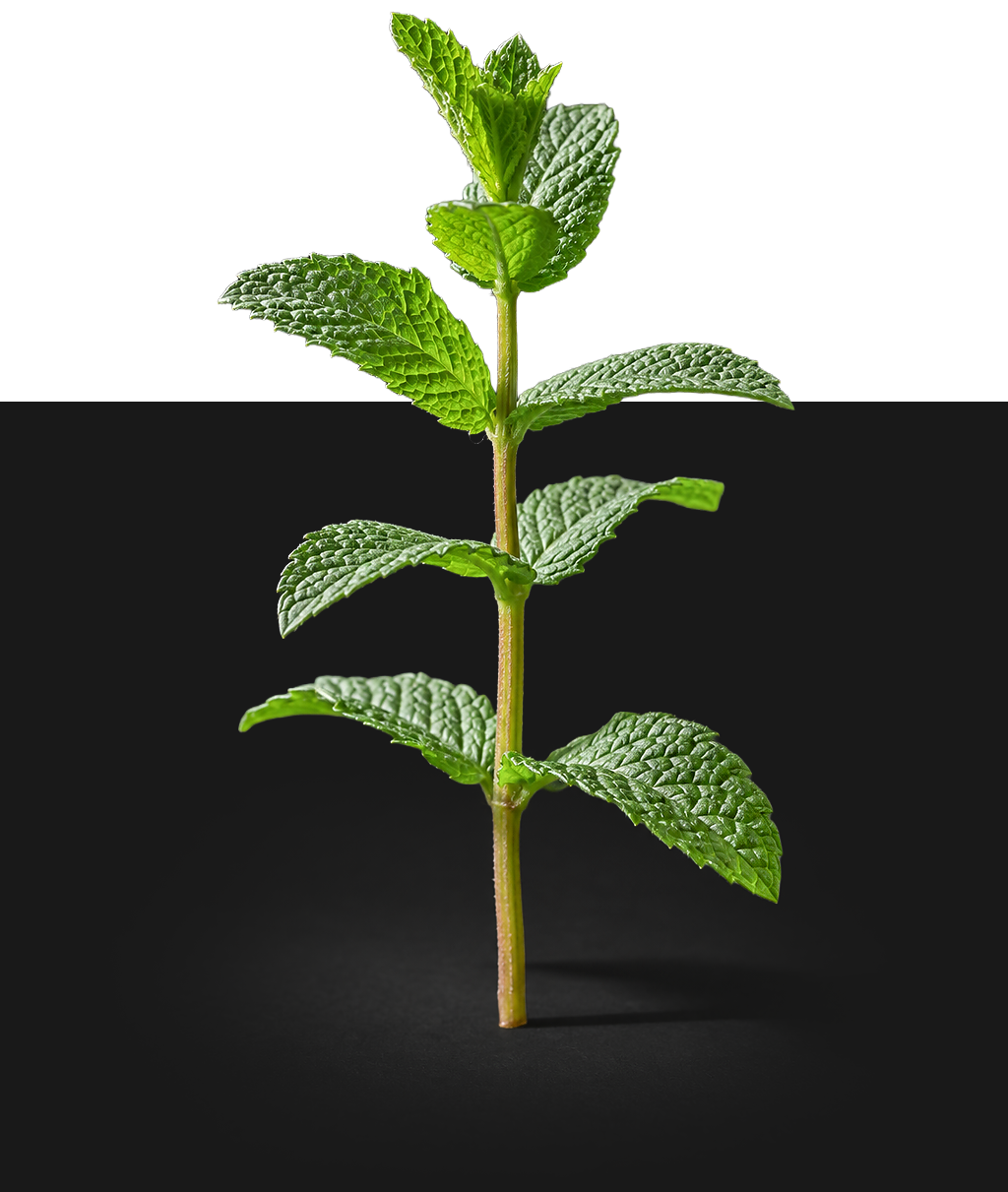
The mint of chewing gum, mint tea, and toothpaste flavors. Much sweeter and softer than peppermint.
Therapeutic
properties
Mild digestive, antispasmodic, refreshing, antimicrobial, and mentally uplifting.
Detailed uses
Nausea and bloating
Inhalation or abdominal massage at 1%.
Stress and fatigue
A gentler energizing diffuser oil, suitable for people who find peppermint too sharp.
Oral care
Used in flavoring of toothpastes, mouthwashes, and breath fresheners.
Skin
Used in light toning and refreshing blends for oily skin.
Focus
Good for study spaces and long drives.
Herbal medicine
Tea
Used in the Middle East and North Africa for stomach upset, gas, hiccups, and after-meal digestion.
Traditional
Used for mild stress and as a mild diuretic.
Research note
Small studies have looked at spearmint tea for excess hair growth in women with hormonal imbalance. Results are early and not a replacement for medical care.
Blends well with
- Lavender
- rosemary
- eucalyptus
- lemon
- basil
- grapefruit