Peppermint
(Mentha × piperita L.)
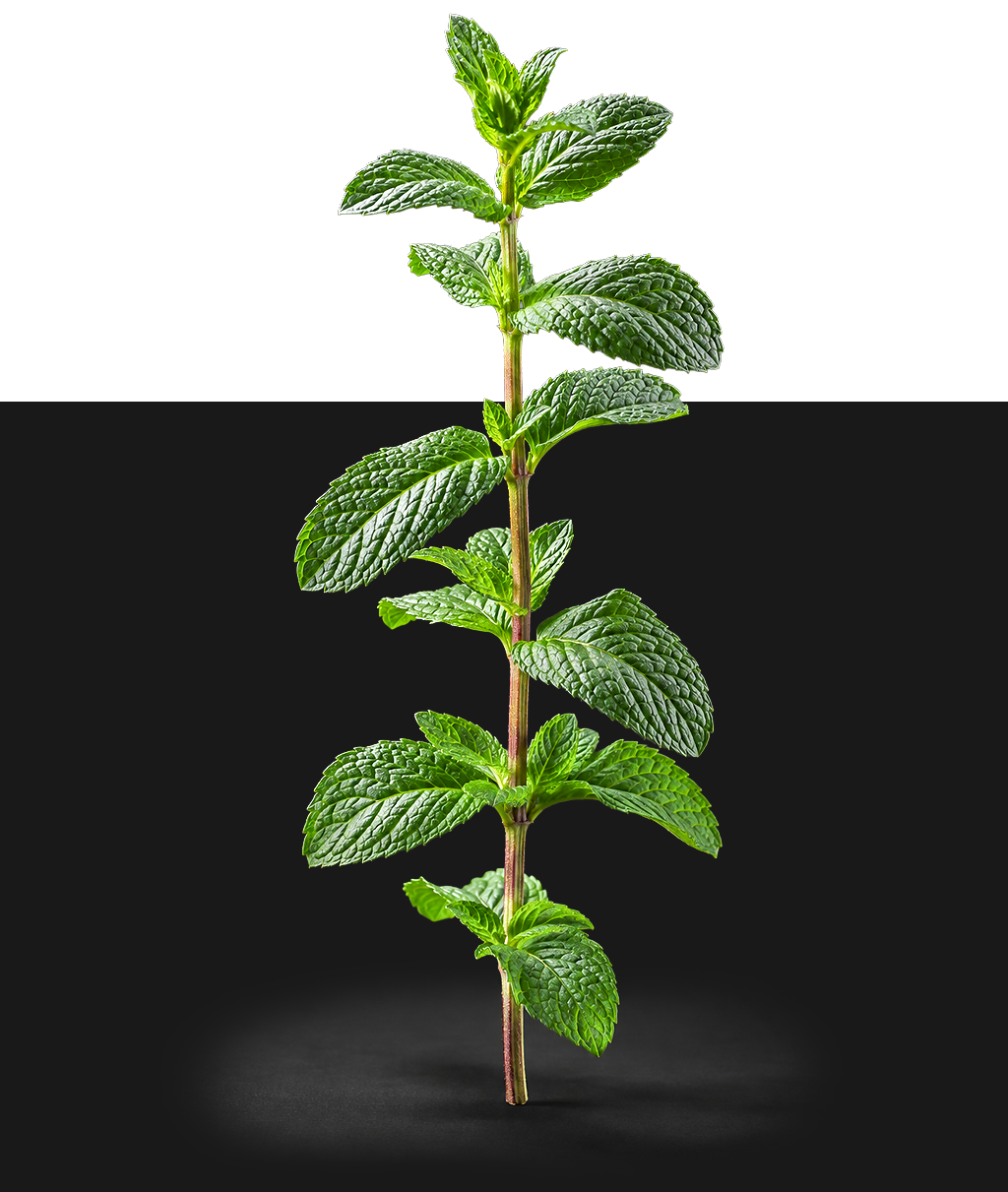
Background
A natural hybrid of watermint and spearmint, and the most widely used mint in the world. Major growers are the USA, India, and Europe.
Therapeutic
properties
Cooling, analgesic, antispasmodic, decongestant, antimicrobial, antipruritic, and mentally stimulating.
Detailed uses
Headache
Diluted (about 1-3%) on temples and neck. Clinical studies of tension headaches used higher concentrations in ethanol, so do not copy those at home.
Nausea and travel sickness
Inhaling from a tissue or inhaler.
Digestion
Enteric-coated peppermint oil capsules are used clinically for irritable bowel symptoms. Homemade internal use is not recommended.
Respiratory
Congestion and colds (steam inhalation with 1-2 drops, or chest rubs).
Muscle pain
Cooling sports rubs, often with lavender and eucalyptus.
Itching
Diluted on insect bites and itchy skin.
Focus and energy
Diffuser for study or work, or a drop on a tissue.
Pest control
Cotton balls near entry points for ants and mice (a common home deterrent).
Hair and scalp
Added to shampoos for a refreshing, stimulating effect.
Herbal medicine
Tea
One of the world's best-known digestive teas for gas, bloating, cramps, and nausea.
Cold and flu tea
Often combined with elderflower and yarrow.
Mouth care
Rinses and mints for fresh breath.
Blends well with
- Lavender
- rosemary
- eucalyptus
- lemon
- bergamot
- tea tree