True Lavender
(Lavandula angustifolia Mill.)
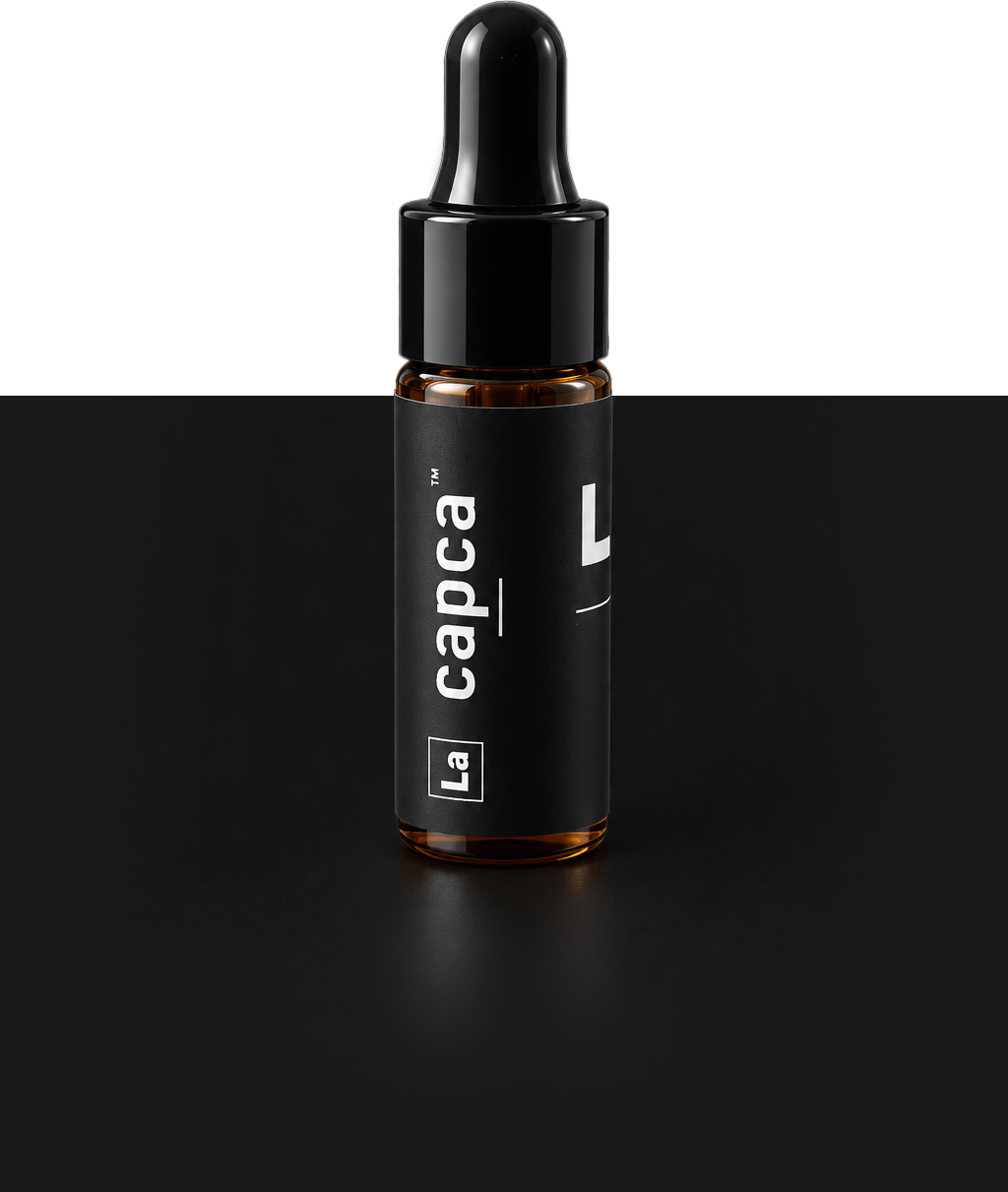
Background
The most popular essential oil in the world. High-altitude fine lavender from France, Bulgaria, and the UK is prized for its sweet, soft, floral scent.
Therapeutic
properties
Calming, sedative, anxiolytic, analgesic, antiseptic, anti-inflammatory, skin-regenerating, and insect-repelling.
Detailed uses
Sleep and relaxation
Diffuser
2-4 drops in the bedroom for 30-60 minutes before sleep, not all night.
Pillow spray (100 ml)
80 ml distilled water + 15 ml high-proof alcohol or a solubilizer + 20-30 drops of lavender oil.
Shake before each use
Bath
4-6 drops mixed into a spoon of honey, milk, or carrier oil before adding to warm water. Oil alone floats and can irritate skin.
Foot or chest massage
1-2% in sweet almond or jojoba oil before bed.
Wool dryer ball or sachet
For linens.
Anxiety, stress,
and nerves
Inhaler or tissue
1-2 drops for acute tension.
Pulse points
1% roll-on on wrists and neck.
Hand or shoulder massage
1-2%.
Mind-calming blends
with bergamot, Roman chamomile, mandarin, neroli, or frankincense.
Headache and tension
Temple and neck roll-on (10 ml)
about 5-6 drops lavender, optionally with 2-3 drops of peppermint (adults only), in jojoba.
Inhalation
Slow breathing from a tissue can ease stress-related headaches.
Cold compress
2-3 drops in a bowl of cool water, then wring out a cloth and apply to the forehead.
Muscle and joint relief
Post-exercise massage oil (1-2%)
Lavender with rosemary, marjoram, or ginger.
Neck and shoulder knots
Warm compress followed by massage.
Menstrual cramps
Lower abdomen massage at 1-2%, alone or with Roman chamomile or clary sage*.
*(the last not in pregnancy)
Skin care
Minor burns and sunburn
Cool the skin first with water. Then apply lavender (diluted, about 1-2%) in aloe gel or a light carrier oil.
This is for small, superficial burns only. Seek care for blisters, large areas, or burns on face, hands, or genitals.
Insect bites and stings
One drop of a diluted blend on the bite.
Acne and oily skin
About 0.5-1% in a facial oil or spot treatment, or a drop in a clay mask.
Dry or irritated skin
3-6 drops in 30 ml of balm or cream base.
Scalp and hair
A few drops in shampoo or a scalp oil for itchy, dry scalp.
Minor wounds
Clean first. Diluted lavender can support healing, but it is not a replacement for proper wound care.
Neat use
Some practitioners apply it undiluted on small areas, but dilution is the safer default, and repeated neat use is a recognized cause of sensitization.
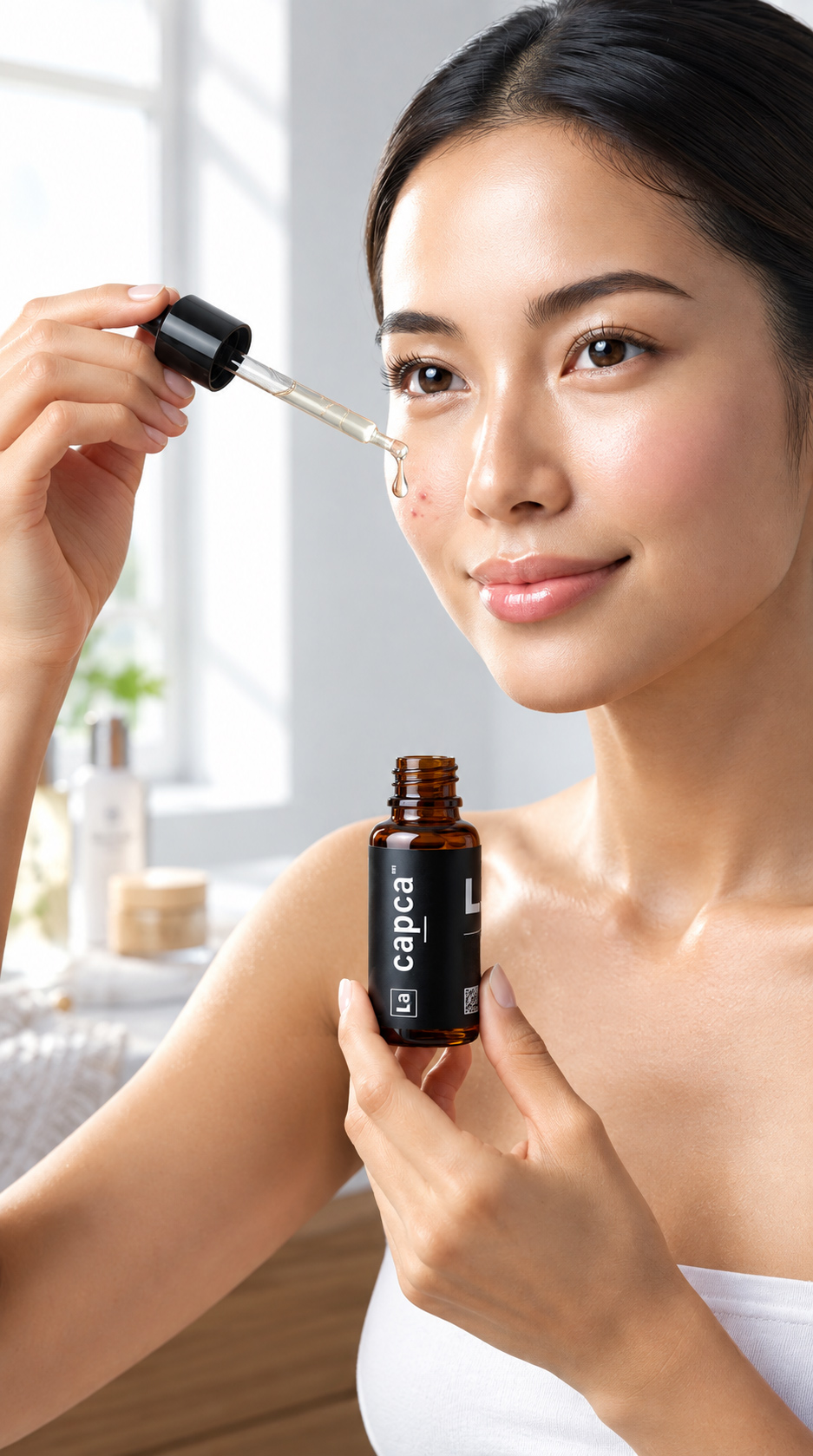 Capca for acne and oily skin
Respiratory
Steam inhalation
1-2 drops in a bowl of hot water for congestion and colds, with eyes closed.
Chest rub
1-2% with eucalyptus or peppermint (adults only).
Home and household
Moth repellent
Dried flower sachets in wardrobes, replenished with a few drops now and then.
Laundry
A few drops on a cloth in the dryer, or in the final rinse.
Room spray
20-30 drops in 100 ml of water + solubilizer.
Mild cleaning
Added to vinegar-based sprays for scent and mild antimicrobial benefit.
Insect deterrent
Mosquitoes and flies tend to avoid it, though effect is modest.